
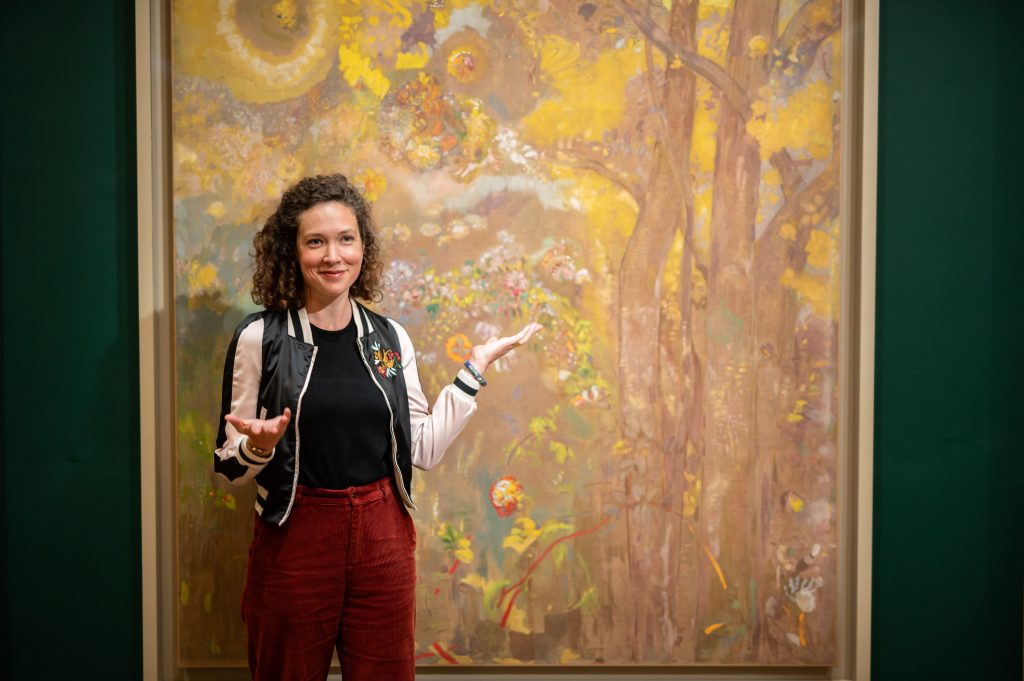
If you are planning a trip to Paris, this Complete Guide to the Musée d’Orsay 2026 will help you prepare with clarity and confidence. The Orsay Museum in Paris, France is one of the most rewarding cultural visits in the city. Housed inside a former Beaux-Arts railway station on the Left Bank, it brings together painting, sculpture, photography, and decorative arts from 1848 to 1914 under one vast glass roof.
Many visitors come for the Impressionists. Yet they often discover much more once inside. The Orsay Museum collection moves from Realism to Impressionism and then into Post-Impressionism, so you can follow the birth of modern art step by step. This overview is part of what the Complete Guide to the Musée d’Orsay 2026 covers in detail.
Planning a full Paris itinerary? Download our Ultimate Paris Travel Guide for curated neighborhoods, museum advice, and insider planning tips.
Why Visit the Musée d’Orsay?
The Orsay Museum in Paris, France fills the historical gap between the Louvre and the Centre Pompidou. While the Louvre focuses on ancient civilizations and classical painting, the Musée d’Orsay centers on the period when artists began experimenting with light, movement, and modern life. Moreover, the Complete Guide to the Musée d’Orsay 2026 will help you appreciate this transition.
At the same time, the setting itself makes a strong impression. The former Gare d’Orsay, built for the 1900 World’s Fair, gives the museum a distinctive atmosphere. The vast nave and the monumental clock overlooking the Seine make the building part of the experience, not just the container for it.
The Orsay Museum collection is widely known for Impressionism. Still, it extends far beyond it. Realist painters such as Courbet confront social realities. Then the Impressionists capture fleeting light. After that, Post-Impressionists push color and structure further. Sculpture lines the central aisle, so visitors can understand the period from multiple perspectives.
Orsay Museum Hours in 2026
Before organizing your day, review the Orsay Museum hours featured in the Complete Guide to the Musée d’Orsay 2026.
The museum is closed on Monday. From Tuesday to Sunday, it generally opens at 9:30 am and closes at 6:00 pm, with last entry around 5:00 pm. On Thursday, it remains open until 9:45 pm, which often creates a calmer evening atmosphere.
In 2026, reserving a time slot may be required on certain dates because of visitor flow adjustments. For that reason, booking ahead is strongly advised, especially during peak seasons.
For a quieter visit, arrive at opening time or choose Thursday evening instead.
Orsay Museum Ticket Options
Choosing your Orsay Museum ticket in advance will make the visit smoother.
Standard tickets include access to the permanent collection and temporary exhibitions. When you purchase online, you select a time slot, so entry is more structured and predictable.
The Paris Museum Pass also covers the Musée d’Orsay. Even with a pass, reserving a slot is often necessary. Free entry applies to visitors under 18 and European Union residents under 26. The first Sunday of each month also offers free admission, though it usually attracts larger crowds.
Because lines can form quickly during high season, securing your ticket early gives you more flexibility for the rest of your day along the Seine.
How Long to Spend and Smart Visiting Tips
Most visitors spend two to three hours at the museum. This allows time to see the main Orsay Museum paintings and understand the broader Orsay Museum collection without rushing. Above all, consulting the Complete Guide to the Musée d’Orsay 2026 can maximise your experience.
Start with the Impressionist galleries on the upper level if you have limited time. Then move back through earlier movements at a steady pace. Taking this route helps you avoid the busiest rooms first.
Midway through your visit, pause near the large clock window overlooking the Seine. It offers one of the most memorable views inside the museum and reconnects you with the city outside.
The Musée d’Orsay offers a focused and coherent experience. It is rich in major works, yet manageable in scale.
If you would like a private visit to the Orsay Museum in Paris, France, or help planning your stay, contact My Private Paris. We design tailored itineraries that match your interests, schedule, and pace.