
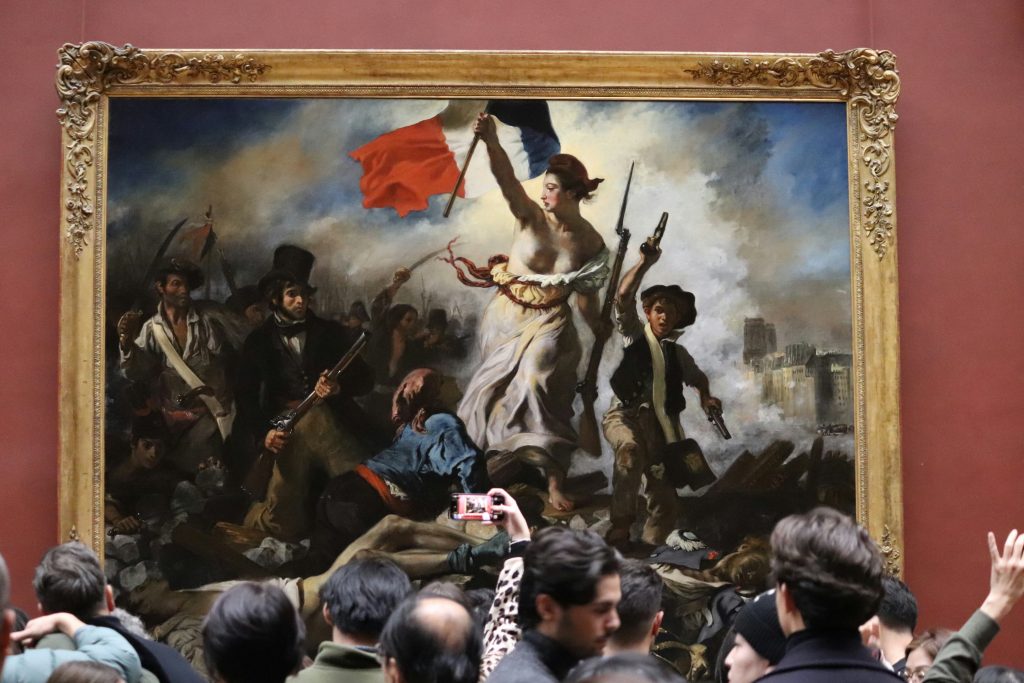
The French Revolution began in 1789 and reshaped French society. While political debates often focus on male leaders, women in the French Revolution played an active part in the upheaval. Across Paris and beyond, they protested food shortages, wrote political arguments, and demanded a voice in public life.
Economic pressure pushed many women into action. Rising bread prices affected families directly, so market women, workers, and mothers gathered in the streets to demand change. Their demonstrations quickly became political. Soon everyday concerns about food turned into powerful challenges to royal authority.
Women also contributed through writing and political debate. Activists such as Olympe de Gouges argued that liberty should apply to women as well as men. Pamphlets, petitions, and meetings spread these ideas across revolutionary Paris.
Yet women remained excluded from formal power. They could not vote or hold office, and many revolutionary leaders still believed politics belonged to men.
Planning a trip to Paris? Download The Ultimate Paris Travel Guide to help you prepare for an unforgettable visit to the city where these dramatic events unfolded.
What Was the Role of Women in the French Revolution?
Women participated in the French Revolution through protest, writing, and political debate. In Paris, many demonstrations began with concerns about food prices. Women often managed household supplies, so bread shortages affected them first.
Market women gathered crowds in the streets and pushed authorities to respond to rising costs. Their actions often turned local protests into political events.
At the same time, educated women published pamphlets and petitions that questioned male political authority. Some also attended political club meetings. These different forms of activism placed women firmly inside the revolutionary movement and forced society to confront questions about equality.
The Women’s March on Versailles
One of the most dramatic moments of the Revolution came in October 1789. Bread shortages had pushed Paris to the brink of unrest. Thousands of women gathered in the city and decided to march to Versailles, where King Louis XVI lived.
The crowd walked nearly twelve miles in heavy rain. They demanded bread and answers from the royal government. For example, many protesters insisted the king should come to Paris and face the people directly.
Their pressure worked. The royal family soon moved from Versailles to Paris under the watch of the revolutionary crowd. This march showed how powerful popular protest could become during the French Revolution.
Revolutionary Women Who Demanded Equality
While many women protested in the streets, others argued for political equality through writing and public debate. Meanwhile new revolutionary ideas encouraged discussions about rights, citizenship, and education.
One of the most famous voices was Olympe de Gouges. In 1791 she published the Declaration of the Rights of Woman and of the Female Citizen. Her text challenged the revolutionary government and argued that women should enjoy the same legal rights as men.
Other activists also pushed for change. Théroigne de Méricourt, a well-known political speaker in Paris, supported revolutionary reforms and encouraged women to take part in public debate.
Women also organized political clubs and signed petitions demanding change. These actions did not lead to equal rights, but they forced revolutionary leaders to confront the question of women’s place in public life.
Why the Revolution Did Not Grant Women Equal Rights

Women played a visible role in the revolutionary movement. They protested food shortages, wrote political arguments, and joined public debates. Yet most revolutionary leaders believed political authority should remain in male hands.
In 1793 the revolutionary government banned women’s political clubs in Paris. Some outspoken activists faced arrest or execution. These decisions showed that the new political order had limits when it came to gender equality.
The Legacy of Women in the French Revolution
Women never gained full political rights during the French Revolution. They could not vote or hold office, and many of their organizations were shut down. Today historians recognize that their actions still shaped the course of the Revolution.
Protests led by women pushed leaders to respond to food shortages and public anger. Writers and activists forced political thinkers to confront the idea of equality between men and women.
When you walk through Paris today, you are moving through places where ordinary women helped change the direction of French history.
If you would like to explore Revolutionary Paris and the stories behind its most important landmarks, contact My Private Paris to plan your visit with a local expert. Our guides can also introduce you to the fascinating figures buried at Père Lachaise Cemetery, where many stories from France’s political and cultural history continue to live on.